
HAEMOGLOBIN DISORDERS
AND
THE COVID–19 PANDEMIC
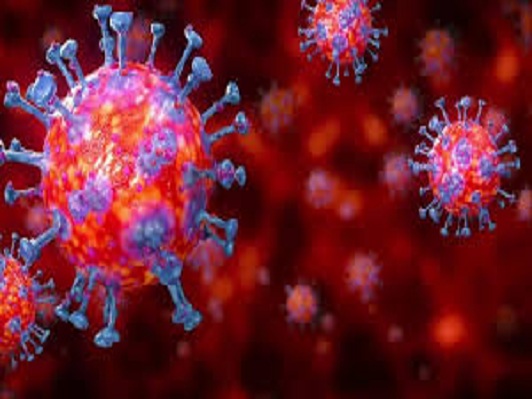
Introduction: The SARS-CoV-2 infection presents particular challenges and dangers to patients with haemoglobin disorders. The virus affects primarily the respiratory system, from nasopharyngeal symptoms to full blown pneumonia. The following symptoms may develop in the 14 days after exposure to someone who has COVID-19 infection: cough difficulty in breathing fever Generally, these infections can cause more severe symptoms in people with weakened immune systems, older people, and those with long-term conditions like diabetes, cancer and chronic lung disease. There is no evidence that children are more affected than other age groups – very few cases have been reported in children. Most people (about 80%) who become infected experience mild illness and recover, but it can be more severe for others. Most deaths are related to respiratory complications requiring intensive care and respiratory support, even though an overexuberant inflammatory response with multi-organ failure may be prevalent in some cases. So far very little clinical experience of infected patients with haemoglobin disorders has been recorded. Any statement on these subjects may be regarded as speculations; cautionary thoughts are however necessary, in view of the rapid spread of the virus and the possible factors which may render these patients fragile in front of this infection. TIF believes that health services should be alerted to these risks and affected patients warned so that extra precautionary measures can be taken. Haemoglobin disorders are generally not associated with respiratory conditions. However, complications involving the heart, lungs and the immune system, can be present in these patients and in a SARS-CoV-2 positive patient may trigger very serious complications. In addition, some of these patients might be splenectomised and sickle cell patients may be functionally asplenic. 3 Sickle cell disease One group particularly at risk in this respect are sickle cell
Sickle cell disease :
One group particularly at risk in this respect are sickle cell patients. One serious complications and major cause of death in this hereditary blood disorder is the acute chest syndrome, which is most often triggered by a respiratory infection. Compared to the general population, patients with SCD are particularly at risk for acute pulmonary complications, including viral infections. For example, administrative records of children with SCD during two influenza seasons (2003-2005) were examined in four states (California, New York, Maryland, and Florida). Overall, children with SCD were hospitalized 56 times more frequently than children without SCD, and rates were twice as high compared to children with cystic fibrosis1 . The SARS-CoV-2 infection may trigger such a serious complication and require special alertness on behalf of physicians treating infected patients. In addition, any hypoxia, dehydration or acidosis due to respiratory infection may trigger a vaso-occlusive crisis (including acute chest syndrome). Underlying pulmonary hypertension or kidney disease can also increase the risk of these patients becoming unwell if they contract the virus. Many patients are being treated with hydroxycarbamide (hydroxyurea), a cytotoxic agent, whith possible immune-compromising effects. Even if up to now there is no evidence for an increase in the prevalence and/or severity of known viral infections, we cannot exclude that hydroxycarbamide treatment may be a contributory factor to adverse outcomes in sickle cell patients. The current advice is to continue treatment and monitoring tests as advised by the treating physicians
Thalassaemia Thalassaemia :
patients do not have the same risk of lung infections as patients with sickle cell disease but, especially adults, often have underlying complications including heart disease, liver disease, diabetes and severe iron overload may also be particularly vulnerable to complications of the virus. One particular endocrine complication, often not recognised, is underactivity of the adrenal glands (adrenal hypofunction), which may not have been diagnosed. In the presence of a serious infection, however, the ability to limit the effects of the infection may be compromised. Dealing with a thalassaemia patient infected by the virus should take this possibility into consideration and the possibility of low-dose glycocorticoid supplementation considered. However it must be taken into account that corticosteroids slow down clearance of viral RNA from respiratory tract in SAR-CoV e MERS-CoV infections
Blood transfusion :
At this time there is no evidence that the corona virus may be transmitted through donated blood. One visible danger is the possibility of under-transfusion during the epidemic due to blood donor reluctance or even infection. World Health Organisation (WHO), the International Society of Blood Transfusion (ISBT) and Thalassaemia International Federation (TIF). The WHO has provided its member countries globally with resolutions/tools and recommendations on how to best address periods of blood shortage during infectious disease outbreaks3. Thalassaemia International Federation (TIF) in continuous and close contact with the WHO and other Official Blood-related Establishments at national and international level to monitor the European and Global situation with regards to the COVID19 pandemic and its potential impact on blood supplies4 . (Reference provide some very useful sites for your information) .
General rules to apply to stop the spread of the virus include:
washing hands often and properly (well and for over 20 seconds) - with soap and water, or use alcohol sanitiser if handwashing facilities are not available. This is particularly important after taking public transport
covering your cough or sneeze with a tissue, then throwing the tissue in a bin. (Catch it, Bin it, Kill it ) people who feel unwell should stay at home and should not attend work or any education or childcare setting avoid to meet people if not absolutely necessary limit the interpersonal relationship maintain at least 2 m of distance when talking to other people
avoid touching eyes, nose and mouth with hands that have not been washed or disinfected use antibacterial soaps/spray to disinfect all surfaces you touch or use including TV controls, mobiles, telephones.